Grace
GraceSoftware Engineering Jobs: In the United States, the demand for skilled software engineers continues to rise, fuelled by technological advancements and the digital transformation of various industries.
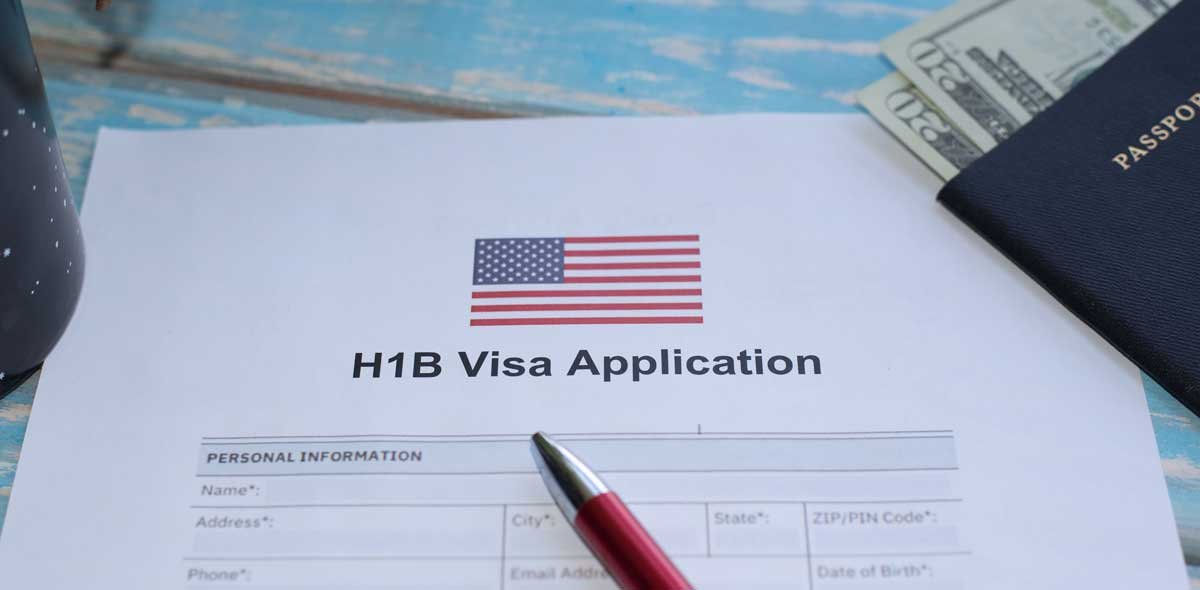
For international professionals, obtaining an H-1B visa is often the pathway to securing a coveted software engineering job in the USA.
This article explores the intricacies of software engineering jobs available with an H-1B visa, the application process, and tips for prospective candidates.
H-1B Visa
The H-1B visa is a non-immigrant visa that allows U.S. companies to employ foreign workers in speciality occupations, which typically require a higher level of education and expertise.
Software engineering fits this criterion, making it a popular choice for H-1B applicants. The visa is granted for a period of three years, with the possibility of extension up to a maximum of six years.
Eligibility Criteria
To qualify for an H-1B visa, applicants must meet specific criteria:
- Job Offer: A valid job offer from a U.S. employer.
- Speciality Occupation: The position must be in a speciality occupation that requires at least a bachelor’s degree or its equivalent.
- Educational Background: Applicants must possess the necessary educational qualifications or relevant work experience.
Demand for Software Engineers in the USA
The demand for software engineers in the USA is driven by various factors, including:
- Technological Growth: With industries increasingly relying on technology, the need for skilled software engineers has surged.
- Startups and Established Companies: Both startups and established companies are on the lookout for talented software engineers to drive innovation and improve their digital offerings.
- Diverse Roles and Specialisations: Software engineering encompasses various roles, such as software development, quality assurance, data analysis, and more, catering to diverse skill sets.
Popular Job Titles
Some of the most sought-after software engineering job titles include:
- Software Developer
- Full Stack Engineer
- Data Scientist
- DevOps Engineer
- Mobile Application Developer
The H-1B Visa Application Process
Step 1: Job Search
The first step for international candidates is to search for job openings in the USA. Job portals like LinkedIn, Indeed, and Glassdoor are excellent resources for finding software engineering jobs that sponsor H-1B visas.
Step 2: Apply for Jobs
Once suitable positions are identified, candidates should tailor their resumes and cover letters to emphasize their skills and experience relevant to the job.
Step 3: Employer Sponsorship
If a candidate receives a job offer, the employer must file a Labor Condition Application (LCA) with the Department of Labor, certifying that they will pay the prevailing wage and that hiring a foreign worker will not negatively impact the U.S. labor market.
Step 4: H-1B Petition
After the LCA is approved, the employer can file an H-1B petition with the United States Citizenship and Immigration Services (USCIS). This process may be subject to an annual cap, as there are a limited number of H-1B visas available each year.
Step 5: Approval and Visa Stamping
Once the H-1B petition is approved, the candidate can apply for the H-1B visa at a U.S. embassy or consulate. After obtaining the visa, the candidate can enter the USA and start their new job.
Tips for Success in Securing H-1B Sponsored Jobs
- Network: Utilise professional networking platforms to connect with industry professionals and potential employers.
- Enhance Skills: Continuously upgrade your technical skills by taking online courses or certifications in relevant technologies.
- Tailor Applications: Customise your resume and cover letter for each job application to highlight your strengths.
- Seek Guidance: Consider working with immigration attorneys or consultants to navigate the H-1B application process effectively.
Challenges in the H-1B Visa Process
While the H-1B visa offers great opportunities, candidates may face several challenges:
- High Competition: The limited number of H-1B visas available each year leads to intense competition among applicants.
- Complex Regulations: The visa application process can be intricate, requiring careful adherence to regulations and timelines.
(FAQs) regarding software engineering jobs in the USA with an H-1B visa:
1. What is the H-1B visa?
The H-1B visa is a non-immigrant visa that allows U.S. employers to temporarily employ foreign workers in speciality occupations, which typically require at least a bachelor’s degree.
2. Who is eligible for an H-1B visa?
To be eligible, applicants must have a valid job offer from a U.S. employer for a speciality occupation and possess the necessary educational qualifications or equivalent work experience.
3. What types of jobs qualify as speciality occupations?
Speciality occupations include roles that require specialised knowledge and a minimum of a bachelor’s degree, such as software engineers, data scientists, and IT consultants.
4. How can I find software engineering jobs that sponsor H-1B visas?
You can search for jobs on platforms like LinkedIn, Indeed, Glassdoor, and company career pages. Use filters to find positions that specifically mention H-1B sponsorship.
5. What is the application process for obtaining an H-1B visa?
The application process involves finding a job, having the employer file a Labour Condition Application (LCA), and then submitting an H-1B petition to the USCIS, followed by a visa application at a U.S. consulate.
6. What are the annual quotas for H-1B visas?
There is an annual cap of 65,000 H-1B visas, with an additional 20,000 available for applicants with a master’s degree or higher from a U.S. institution.
7. How long is the H-1B visa valid?
The H-1B visa is initially valid for three years and can be extended for up to a maximum of six years, depending on specific circumstances.
8. What happens if my H-1B application is denied?
If your H-1B application is denied, you may have the option to appeal the decision or reapply in the next application cycle, depending on the reason for denial.
9. Can H-1B visa holders change jobs?
Yes, H-1B visa holders can change jobs, but the new employer must file a new H-1B petition. The new job must also qualify as a speciality occupation.
10. What are the benefits of working in the USA on an H-1B visa?
Benefits include exposure to advanced technologies, professional growth opportunities, competitive salaries, and the chance to gain international work experience. Additionally, H-1B holders may have a pathway to permanent residency.
Conclusion
Securing a software engineering job in the USA with an H-1B visa is a viable pathway for international professionals.
With the right skills, a well-prepared application, and an understanding of the process, candidates can enhance their chances of success.
As technology continues to advance, the demand for skilled software engineers will remain high, making this an exciting time to pursue a career in this field.

 Grace
Grace